
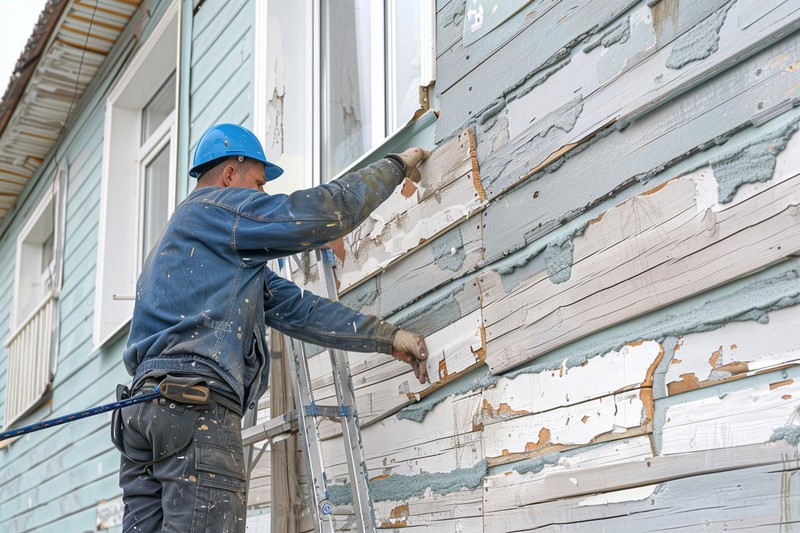
How Often Should You Replace Siding On Your House?
Quick Summary
Siding does not need replacement on a fixed schedule. Material, installation, weather, maintenance, and visible deterioration all affect timing, so the better question is how well the exterior is still protecting the home. At Design A Castle Remodelers, we help South Jersey homeowners recognize replacement signs and plan full siding upgrades before widespread problems become harder to ignore.
There is no single answer to how often to replace siding because homes age differently. At Design A Castle Remodelers, we recommend looking at material, installation quality, weather exposure, maintenance history, and current condition before deciding that a house needs a new exterior.
Some siding can remain serviceable for decades, but homeowners should not wait for a specific anniversary if panels are cracked, loose, warped, or allowing moisture problems to develop. Our goal is to help South Jersey homeowners recognize patterns of deterioration early enough to plan a complete replacement on their terms.
When to Replace Siding Instead of Watching the Calendar
The most useful replacement schedule is condition-based. Through our siding installation service, we inspect the visible siding and the way it meets windows, doors, corners, and trim so homeowners can understand whether the exterior still looks secure and performs as a complete system.
Age becomes more meaningful when it appears alongside repeated maintenance or visible decline. At Design A Castle Remodelers, we pay particular attention when several problem areas appear at once, because widespread deterioration usually points to a broader exterior issue rather than one isolated cosmetic defect.
7 Signs It May Be Time to Replace Siding
1. Cracking, Warping, or Buckling
Cracks can create openings for moisture, while warped or buckled panels may indicate installation problems, heat exposure, or movement behind the exterior. Our team looks at how widespread the condition is before recommending full vinyl siding replacement.
2. Loose or Missing Panels
Panels that repeatedly come loose leave parts of the wall more exposed to wind and water. At Design A Castle Remodelers, we treat recurring loose sections as a reason to evaluate the overall installation instead of assuming every new gap is an unrelated event.
3. Moisture, Mold, Mildew, or Rot
Surface dirt can usually be cleaned, but moisture staining, organic growth around seams, or deterioration behind siding deserves closer attention. We look for signs that water may be reaching the wall system because the siding’s job is not only to look good but also to help manage exterior exposure.
4. Fading and a Tired Exterior
Color change by itself does not always mean siding has failed. Still, severe or uneven fading can make an older house look dated, and we can help homeowners decide if a new color, profile, or accent treatment would make replacement worthwhile as both a performance and design upgrade.
5. Frequent Maintenance or Repeated Problems
If homeowners keep dealing with the same loose sections, damaged panels, or exterior trouble spots, the pattern may matter more than any one issue. At Design A Castle Remodelers, we focus on complete replacement projects when the existing system is no longer delivering consistent results.
6. Drafts or Rising Comfort Concerns
Siding is only one part of the exterior envelope, so drafts can have several causes. We consider the siding, insulation, house wrap, windows, and surrounding details together because a coordinated exterior system often matters more than replacing one visible material in isolation.
7. Interior Signs of Water Intrusion
Peeling interior paint, staining, soft drywall, or recurring dampness near exterior walls should not be ignored. Our team can evaluate the outside conditions during a remodeling consultation and help homeowners understand when a larger exterior replacement should be part of the plan.
How Material and Installation Affect Replacement Timing
Different siding materials age at different rates, and even the same material can perform very differently from one house to another. At Design A Castle Remodelers, we install premium CertainTeed and Alside vinyl siding and pay close attention to expansion space, trim capping, wall preparation, and finishing details. Our siding projects can also include rigid foam insulation and Tyvek house wrap where appropriate.
Those components help create a straighter installation surface and add another layer of moisture management, which is why we treat siding as part of the wall system rather than a decorative skin alone. Proper installation can also help reduce gaps, warping, and other issues that may shorten the usable life of the siding. By looking at the full exterior system, we can help homeowners get better long-term performance from their investment.
Should You Replace Siding Before Selling?
Replacement can make sense when the existing exterior is visibly deteriorated, inconsistent, or likely to raise questions for buyers. We do not recommend replacing sound siding simply because a sale is approaching, but a worn exterior can affect curb appeal and make the property feel less maintained than neighboring homes. If the project is part of broader home remodeling, we can coordinate siding with windows, trim, doors, roofing, and other exterior upgrades.
That approach can create a more cohesive result and may simplify the sequence of work when several systems are aging at the same time. At Design A Castle Remodelers, we help South Jersey homeowners decide when siding replacement makes practical sense. Contact us for a free in-home estimate and a clear look at your options.
Frequently Ask Questions
Is There a Set Number of Years Before Siding Must Be Replaced?
No. Service life varies by material, installation, exposure, and care. At Design A Castle Remodelers, we use age as background information, then focus on visible condition and how well the exterior is still performing.
What Are the Most Important Signs to Replace Siding?
Widespread cracks, warping, loose panels, recurring moisture problems, repeated maintenance, and deterioration across several areas are strong reasons to investigate replacement. We look at the pattern and severity rather than one small cosmetic flaw.
Can New Siding Improve Energy Efficiency?
It can contribute to a better-performing exterior when the full wall assembly is planned correctly. Our siding installations can incorporate rigid foam insulation and house wrap, helping homeowners address both appearance and exterior performance in the same project.