


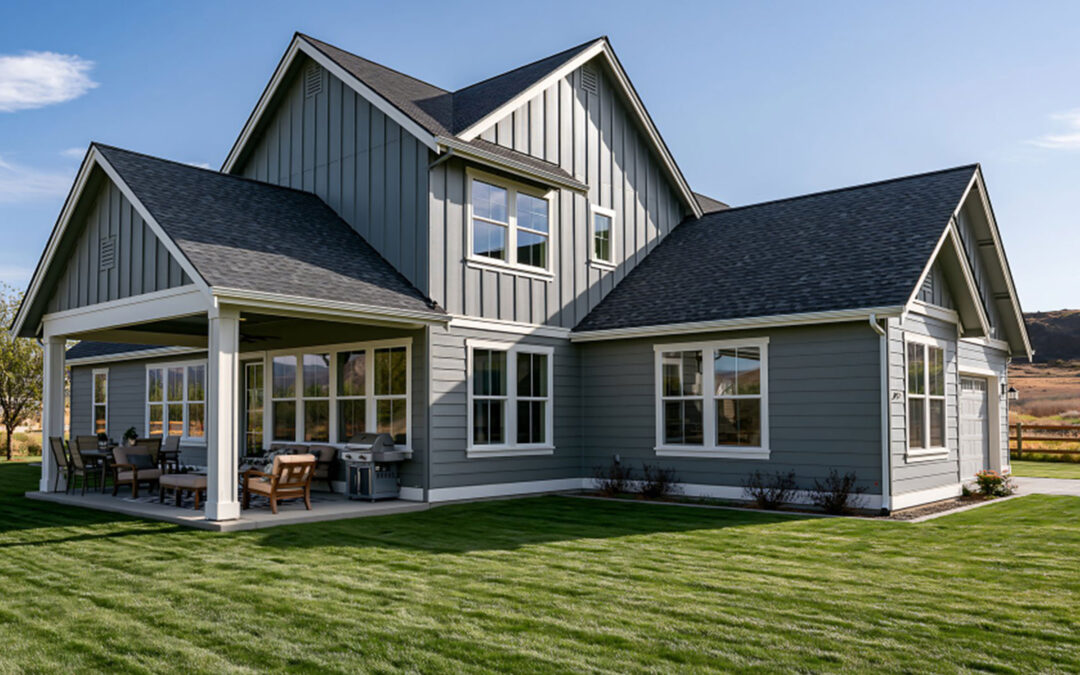
Popular Vinyl Siding Styles For Every Home
Quick Summary
Vinyl siding comes in a variety of profiles, textures, and colors that complement traditional, contemporary, and farmhouse homes. From classic horizontal panels to distinctive vertical boards and decorative shakes, each style creates a different exterior appearance. Understanding these options helps homeowners choose siding that matches their home’s architecture, maintenance preferences, and renovation budget.
Choosing new siding can transform a home’s appearance, refreshing an older exterior or giving a newer property more character.
With various panel shapes, surface textures, and color combinations available, homeowners can create an exterior that complements their architecture rather than simply following the latest design trends. The right choice also balances aesthetics, maintenance requirements, durability, and the budget available for the renovation.
The most popular vinyl siding styles range from familiar horizontal boards to bold vertical panels and textured designs inspired by natural wood. Each option creates a distinct visual effect, so it helps to consider the home’s roofline, windows, trim, and architectural details before selecting a profile. Comparing these possibilities makes it easier to plan an exterior that looks cohesive and remains appealing for years.
Traditional Lap Siding for Timeless Appeal
Traditional lap siding features long, horizontal panels that overlap slightly, creating the familiar rows found on many American homes. Its clean, balanced appearance complements Colonial houses, ranch-style properties, cottages, and other architectural designs that benefit from understated exterior details. Homeowners can choose neutral shades for a classic finish or deeper colors for a more distinctive appearance without changing the home’s overall character.
Horizontal panels also create visual continuity across broad exterior walls, making this profile a versatile option for whole-house renovations. Different panel widths, woodgrain textures, and trim colors can influence the final appearance, ranging from smooth and contemporary to softly textured and traditional.
When comparing products, consider how the siding profile will look alongside existing shutters, window frames, entry doors, and roof colors.
Dutch Lap Siding for Added Dimension
Dutch lap siding resembles traditional horizontal siding, but each panel features a decorative groove that creates a more pronounced shadow line. This subtle detail adds depth to exterior walls and makes individual courses stand out, particularly when sunlight strikes the surface at an angle. It suits Colonial, farmhouse, and traditional homes where additional texture can enrich the exterior without introducing an elaborate pattern.
The differences between Dutch lap and standard lap siding may seem minor when viewed on a small product sample, so compare larger displays or completed homes before making a final decision.
Color and finish also affect the visibility of the grooves, with contrasting light and shadow adding character to certain shades. This profile works particularly well for homeowners who want a familiar siding appearance with a more decorative finish.
Board and Batten Siding for Modern Character
Board and batten siding features wide vertical panels separated by narrower strips, creating a distinctive pattern that draws the eye upward.
This arrangement complements modern farmhouses, cottages, and contemporary homes, particularly when paired with dark window frames, simple trim, and a contrasting front door. White remains a popular choice for farmhouse-inspired exteriors, while muted greens, grays, and darker shades can create a more dramatic appearance.
Beyond its distinctive appearance, this profile can emphasize architectural features such as front entrances, dormers, and gables. Some homeowners install board and batten across the entire exterior, while others combine it with horizontal siding to create visual contrast between different sections.
The key is to maintain a deliberate balance between the two patterns, so the finished exterior feels coordinated rather than visually crowded.
Shake and Shingle Siding for Cottage Charm
Shake and shingle siding recreates the varied texture of traditional wood shingles without requiring homeowners to maintain natural wood in the same way. Individual panels may feature straight edges, staggered shapes, or irregular patterns that add character to otherwise plain exterior walls. These designs work particularly well on cottages, Cape Cod homes, coastal properties, and traditional houses with decorative gables.
Many homeowners use shake-style siding as an accent rather than covering every exterior wall with the same texture. Installing it around a front-facing gable, above a porch, or on a smaller architectural section can highlight those features while keeping the overall design balanced.
Pairing textured siding with smooth horizontal panels creates an appealing contrast, especially when both materials feature complementary colors.
Beaded Siding for Decorative Detail
Beaded siding features a small rounded ridge near the bottom of each horizontal panel, adding a decorative detail that distinguishes it from standard lap profiles. This design can complement historic-inspired homes, traditional cottages, and properties where understated craftsmanship matters more than bold geometric patterns. Its repeating lines introduce visual interest while preserving the familiar horizontal arrangement associated with classic residential siding.
Because the bead creates a recognizable shadow, this profile can look especially attractive on smaller exterior sections or homes with carefully selected trim details.
It can also work across larger walls when homeowners prefer a traditional finish with additional character. Compare available panel proportions and textures before choosing, since the size of the decorative ridge influences how noticeable the detail appears from the street.
How to Choose the Right Siding Style for Your Home
The best siding choice begins with the architecture and proportions of the house rather than an isolated product sample. Horizontal profiles generally complement traditional designs, while vertical boards can emphasize height and give farmhouse exteriors a cleaner appearance. Shake accents introduce texture, and decorative profiles such as Dutch lap or beaded siding offer additional character without dramatically changing a home’s established style.
For homeowners planning a complete exterior update, professional vinyl siding installation services can help turn design preferences into a practical project plan. Discuss the existing exterior condition, preferred panel profiles, available colors, and any trim or stone accents before finalizing the selection. Reviewing these details together helps establish a realistic budget and creates a more cohesive result than choosing siding based on appearance alone.
Bring Your Favorite Siding Style to Life
A siding upgrade is an opportunity to improve curb appeal while choosing materials that fit your home and budget. At Design A Castle Remodelers, LLC, we combine family-owned experience with competitive pricing and free estimates. Contact us to discuss siding styles and explore options for your next exterior renovation project.
Frequently Ask Questions
Which vinyl siding style is most popular?
Traditional horizontal lap siding remains a popular choice because it complements numerous architectural styles and offers a timeless exterior appearance.
Is board and batten siding suitable for traditional homes?
Yes, board and batten can complement traditional homes, particularly when used on gables, entryways, or selected exterior sections.
Can different vinyl siding styles be combined?
Yes, combining horizontal siding with shake accents or vertical panels can add dimension while maintaining a coordinated exterior design.

