


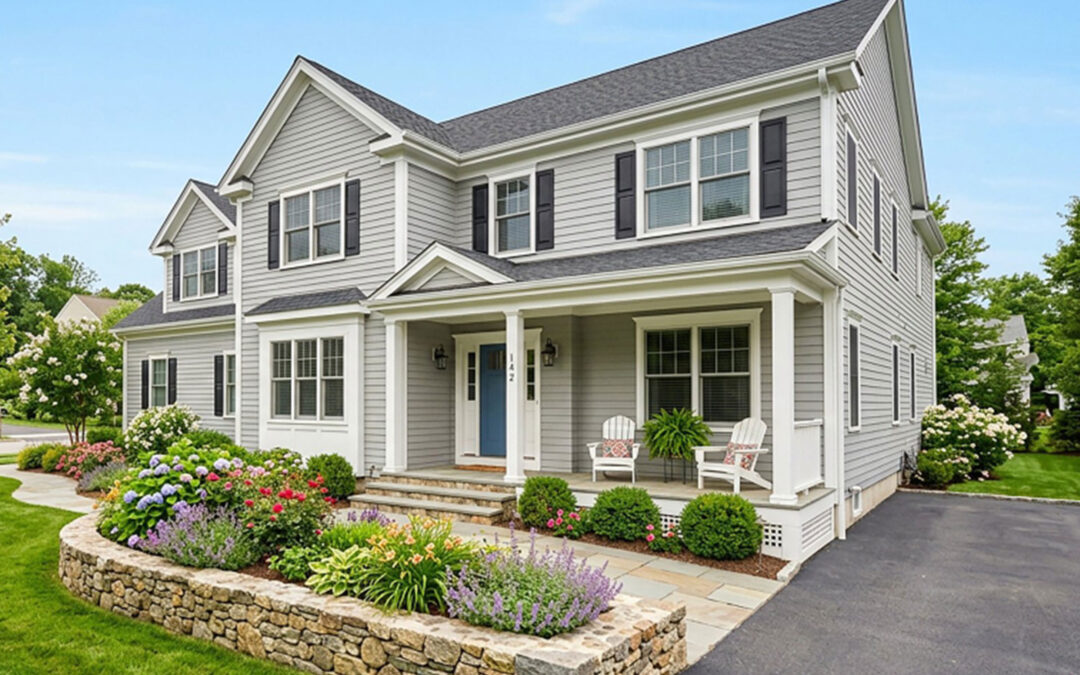
Aluminum Vs. Vinyl Siding: Which Is Better For Your Home?
Quick Summary
Aluminum and vinyl siding each offer distinct benefits for homeowners planning an exterior renovation. Vinyl stands out for its design variety, affordability, and minimal upkeep, while aluminum offers noncombustible construction and recyclability. Comparing durability, maintenance, insulation, appearance, and installation costs helps homeowners choose a material that suits their property’s needs and budget.
Replacing exterior siding can refresh a home’s appearance, improve weather protection, and influence long-term maintenance costs. However, choosing between available materials requires more than comparing colors and initial prices.
Homeowners must also consider how each option responds to temperature changes, impacts, moisture, and everyday exposure, along with the architectural style and maintenance expectations associated with their property.
The decision surrounding aluminum vs. vinyl siding comes down to the priorities that matter most for your home. Aluminum offers a metal exterior with strong fire resistance and recycling potential, while vinyl appeals to homeowners seeking versatile designs and relatively simple upkeep. Understanding these differences helps you compare practical benefits instead of choosing a material based on appearance alone.
Appearance and Design Options
Vinyl siding gives homeowners considerable flexibility when coordinating an exterior with a particular architectural style.
Available profiles include traditional horizontal lap siding, Dutch lap, board and batten, and textured shake designs that resemble natural wood. Color choices range from understated whites and grays to deeper blues and greens, making it easier to complement roofing, shutters, window frames, and exterior trim.
Aluminum siding typically creates a simpler, more understated appearance, although painted finishes and embossed textures can introduce additional character.
Since aluminum can be repainted, homeowners have another way to update their exterior color as preferences change. However, the painted finish influences its appearance over time. Scratches, fading, and worn paint can become more noticeable than minor marks on some vinyl products.
Durability and Resistance to Damage
Both materials resist rot and insect damage, but their responses to physical impacts differ considerably. Aluminum does not rust like iron or steel, although its painted surface can dent from hail, falling branches, or accidental impacts. These dents may remain visible long after the incident, particularly across large, smooth panels exposed to direct sunlight.
Vinyl siding can resist dents better in some everyday situations because its panels have a degree of flexibility. However, significant impacts can crack the material, and extreme cold can make it more brittle.
Excessive heat may also cause improperly installed panels to warp or buckle. Product quality, correct fastening, appropriate clearances, and professional installation all influence how well either material withstands changing weather conditions.
Maintenance and Long-Term Care
Vinyl appeals to homeowners who prefer an exterior that does not require routine repainting. Periodic washing with appropriate cleaning products and occasional inspections help maintain its appearance.
Damaged panels can also be replaced individually when compatible materials remain available. Homeowners should still check for cracks, loose sections, and moisture problems rather than assuming a low-maintenance material requires no attention.
Aluminum siding also requires relatively little routine care, but its painted finish can fade, develop a chalky appearance, or accumulate scratches over time. Repainting may become necessary to restore its appearance, adding labor and material expenses to long-term ownership costs.
Although aluminum itself resists rust, exposed edges, damaged coatings, and improper installation details require attention, particularly in coastal environments where salt exposure can affect metal finishes.
Installation Costs and Overall Value
The initial cost of siding depends on material grade, panel design, home size, preparation requirements, labor rates, and exterior complexity. Vinyl generally provides a cost-effective starting point, with lightweight panels that can be relatively straightforward to install. Insulated vinyl, specialty profiles, decorative accents, and extensive trim work can increase the final project price beyond that of a basic installation.
Aluminum siding costs vary according to panel thickness, finish, and availability, so comparing detailed estimates is more useful than relying on general price ranges. Repainting, dent repairs, and future maintenance can affect its lifetime cost, while vinyl may require panel replacements following severe impacts.
Request itemized estimates that specify materials, removal of existing siding, preparation work, finishing details, and applicable warranties before making a financial commitment.
Energy Efficiency and Weather Performance
Standard aluminum siding and standard vinyl siding do not replace the insulation installed within exterior walls. Aluminum conducts heat readily, so the complete wall assembly matters when evaluating thermal performance. Insulated vinyl siding incorporates foam backing that can add insulating value, although its contribution depends on the product specifications and the home’s existing insulation. Choosing the right material and professional vinyl siding installation services can help homeowners achieve an attractive exterior while addressing their home’s specific performance needs.
Both materials can protect the exterior when installed according to manufacturer instructions, but neither eliminates the need for proper moisture management. Flashing, drainage, ventilation details, and correctly finished openings help reduce the risk of water entering behind the siding. For homeowners concerned about heating and cooling costs, reviewing the entire exterior assembly alongside window performance and air leakage gives a more realistic picture of potential energy improvements.
Environmental Impact and Fire Resistance
Aluminum has an important environmental advantage because the metal can be recycled at the end of its useful life. Its noncombustible composition also makes it worth considering for homeowners who prioritize fire-resistant exterior materials. However, the performance of a complete exterior depends on other components and the home’s construction, so siding material alone cannot establish a property’s overall fire safety.
Vinyl is manufactured from polyvinyl chloride, or PVC, and recycling options depend on local collection facilities and available processing systems. It can soften, melt, or deform when exposed to intense heat, making its fire behavior different from aluminum. Homeowners weighing environmental considerations should examine product durability, manufacturing impacts, local recycling access, and expected replacement needs instead of basing the decision on one characteristic alone.
Make the Right Choice for Your Home’s Exterior
A siding upgrade should balance curb appeal, durability, maintenance needs, and your renovation budget carefully. At Design A Castle Remodelers, LLC, we help homeowners compare materials with competitive pricing and free estimates. Contact us to discuss your project and explore options suited to your home’s style and practical long-term priorities.
Frequently Ask Questions
Is aluminum siding better than vinyl siding?
Aluminum offers noncombustible construction, while vinyl generally offers greater design variety, simple maintenance, and competitive installation costs.
Which siding material requires less maintenance?
Vinyl typically requires less maintenance because it does not need routine repainting, unlike aluminum with aging or damaged paint.
Can vinyl siding improve home energy efficiency?
Insulated vinyl siding can add thermal resistance, although overall efficiency depends on wall insulation, windows, air leakage, and installation quality.

